


Where disability experience meets student innovation.
Hackcessible brings disabled co-designers and interdisciplinary student teams together to co-create practical solutions for a more accessible world.

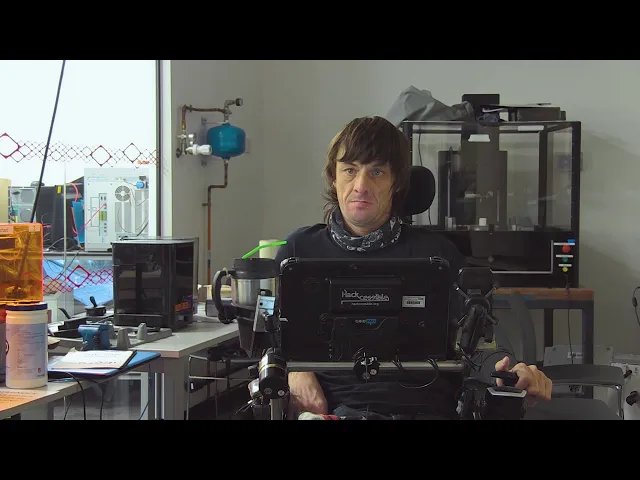
Hackcessible, iForge (University of Sheffield), 2018
The Hackcessible approach
Co-design is more than consultation. It's a way of creating better solutions by bringing different perspectives together from the start.

Learn together

Design together

Make together
Real Projects. Real Impact.
Every Hackcessible project begins with a real challenge, shaped by the people who experience it every day. These stories show what can happen when disabled co-designers and students work together to find a solution.
Helping Chris keep playing
Read story
From sketch to solution
"It's become a reality now... from a fag packet drawing of mine... to an actual product."
David's idea became the starting point for a student project that grew into a prototype with the potential to help many others.
Read story

A smarter way to learn Moon
"Ruqaya has already started using the Moon letter tiles... to identify her friends' names"
A team of students created LunarTouch, helping Ruqaya begin learning to read while opening new possibilities for other visually impaired children.
Read story
Co-design in their own words
Hear from previous Hackcessible challengers and students what being involved has meant to them.
Jamie, 2018 challenger
"Everyone listens to me and what I need."
A Hackcessible challenger describing what it feels like to be part of the design team.
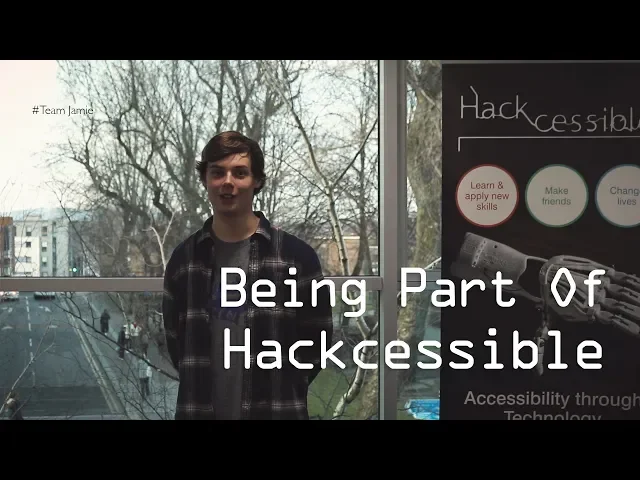
Oliver, Civil Engineering student
"I could learn a lot of new skills like working as part of a team."
A first-year engineering student reflecting on interdisciplinary teamwork and co-design.
Find a Hackcessible Community
Every Hackcessible chapter will have its own local flavour, but shares the same commitment to designing with disabled people, not for them.


Bring Hackcessible to your institution
Universities, organisations and communities can work with Hackcessible to create opportunities for disabled people and students in their local context to design together.